Key takeaways
- Operational intelligence software turns live data from business systems into real-time visibility, alerts, and analytics ops teams can act on immediately.
- The right platform depends on your use case: IT observability, process mining, industrial telemetry, or cross-system business operations.
- Operational intelligence is real-time and action-oriented, while business intelligence is historical and strategic.
- The real payoff comes when insight is linked to human-approved action, not just another dashboard to watch.
The best operational intelligence software for most operations teams is the platform that connects your existing systems, surfaces problems in real time, and makes it easy to act on what you see. There is no single winner, because the right choice depends on whether you run IT infrastructure, factory equipment, business processes, or coordination across many tools at once. This guide compares the leading categories of operational intelligence software by use case and company size, explains how it differs from business intelligence, and shows how to turn live insight into human-approved action.
Operations leaders feel the cost of fragmentation every day. Organizations now run an average of roughly 900 applications, yet only a small fraction of them are actually integrated, according to industry connectivity research compiled from MuleSoft's benchmark. The result is a patchwork of dashboards that each tell part of the story, and a team that spends hours stitching the pieces together by hand.
What operational intelligence software does for ops teams
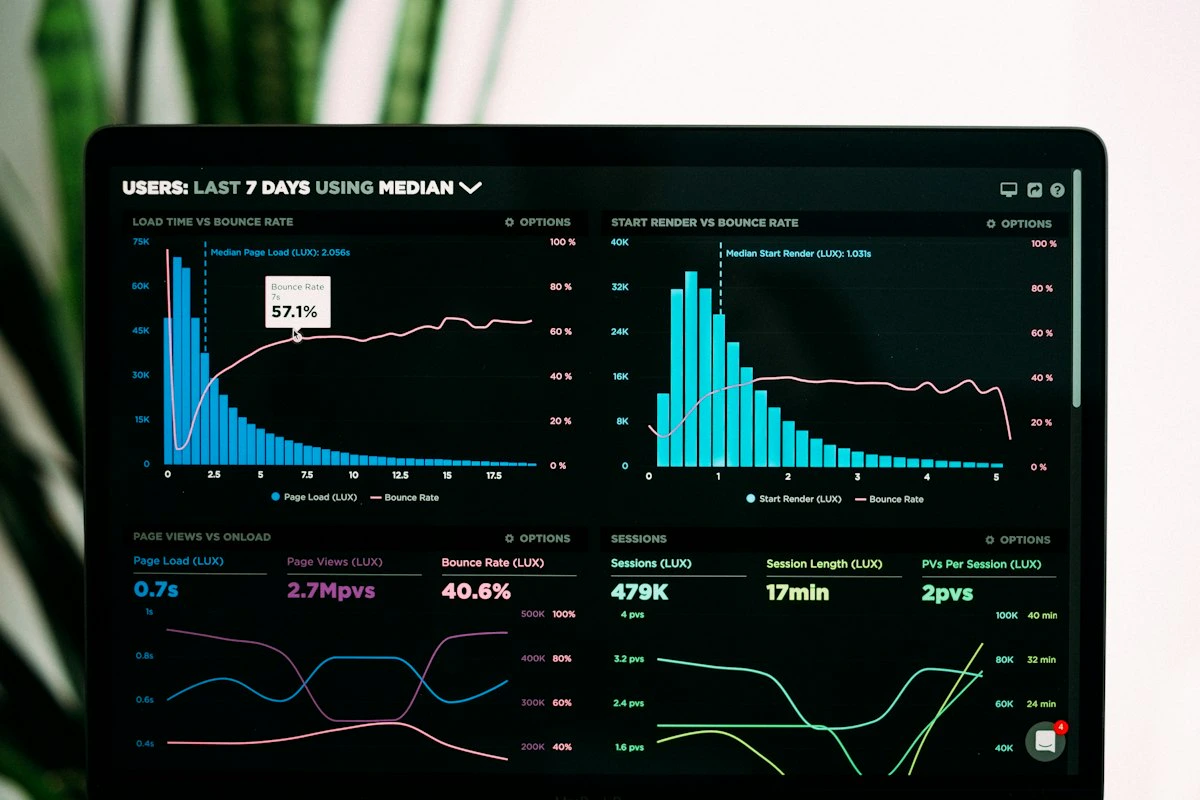
Operational intelligence software gives ops teams a live, unified picture of what is happening across the business so they can respond while it still matters. Instead of waiting for a weekly report, the team sees orders, tickets, inventory, system health, or machine status update in real time, with alerts when something crosses a threshold.
For an operations leader, that changes the daily rhythm in three ways:
- Fewer blind spots. Signals from separate systems land in one place, so a stuck order or a failing integration does not hide until a customer complains.
- Faster response. Alerts fire the moment a metric moves out of range, which shrinks the gap between a problem starting and someone noticing.
- Less manual stitching. The platform does the data gathering, so analysts spend their time deciding what to do rather than assembling spreadsheets.
Much of the waste operational intelligence targets is hidden. Teams lose a meaningful share of each week simply searching for information scattered across disconnected systems, which is time that never shows up as a line item but quietly drags on output. We cover that pattern in depth in The Hidden Costs of Manual Operations Work.
Key capabilities: real-time visibility, alerts, and analytics
Strong operational intelligence software is built on three capabilities that work together: real-time visibility, alerting, and analytics. Each one is useful alone, but the value compounds when a single platform delivers all three on the same live data.
Real-time visibility means the platform ingests events as they happen and presents them in a current view, not a snapshot from last night's batch job. Dashboards refresh continuously, and the picture reflects the state of the business now.
Alerts turn that visibility into attention. You define the conditions that matter, a payment failure rate, a queue length, a service that stops responding, and the system notifies the right person the moment a threshold is crossed. Good alerting is specific enough to trust and quiet enough not to be ignored.
Analytics add context. Beyond the live feed, the platform helps you spot trends, compare against baselines, and understand why a metric is moving. This is where operational intelligence starts to inform decisions rather than just report status.
Top platforms compared by use case and company size
The operational intelligence market is sizable and growing. It reached USD 3.59 billion in 2025 and is projected to grow at a compound annual rate of 12.04% to USD 6.33 billion by 2030, according to Mordor Intelligence. That growth has produced distinct categories, each strong for a different job.
IT and infrastructure operations
Platforms such as Splunk, Datadog, and Dynatrace specialize in observability for systems, applications, and infrastructure. They excel at logs, metrics, and traces, and they suit engineering-heavy teams at companies of any size that need deep visibility into technical health. For broad business operations outside the IT stack, they can be more than you need.
Process and workflow intelligence
Process mining and workflow tools, including Celonis and SAP Signavio, reconstruct how work actually flows through your systems and highlight bottlenecks. These fit larger enterprises with complex, well-documented processes and the analytical staff to act on the findings.
Industrial and manufacturing operations
For factory floors and physical assets, platforms like AVEVA PI and GE Digital Proficy handle high-volume machine telemetry. They are the right call for manufacturers and asset-intensive operations, and overkill for a services business.
Cross-system business operations
Many mid-size and growing companies do not fit neatly into any of the above. Their problem is coordination across finance, sales, support, and fulfillment tools, where no single observability or process-mining suite covers the whole picture. This is the gap platforms like Kaimesh are built for, connecting multiple business systems into one operating view rather than monitoring one technical domain.
Operational intelligence vs business intelligence explained
Operational intelligence and business intelligence answer different questions. Operational intelligence works on live or near-live data to tell you what is happening right now and what to do about it. Business intelligence analyzes historical data over weeks, months, or quarters to tell you what happened and why.
A simple way to hold the distinction:
| Dimension | Operational intelligence | Business intelligence |
|---|---|---|
| Time horizon | Real-time or near-real-time | Historical |
| Primary question | What is happening now? | What happened and why? |
| Typical user | Operations and front-line teams | Analysts and executives |
| Output | Live dashboards and alerts | Reports and trend analysis |
| Goal | Immediate action | Strategic planning |
Neither replaces the other. Business intelligence shapes next quarter's plan, while operational intelligence keeps today running. Most mature teams use both, feeding real-time operational data upward into the longer-term analysis.
How to turn insight into human-approved action
A dashboard that only shows problems still leaves the hardest part to people: deciding and acting. The real payoff of operational intelligence comes when insight connects to a response, and for most operations leaders that response should pass through a human before anything changes in a live system.
Human-approved action means the platform does the heavy lifting of detection and preparation, then routes a clear recommendation to a person who can approve it. A spike in failed shipments becomes a proposed fix with the relevant context attached, ready for a manager to approve, adjust, or decline. The machine handles speed and consistency, while a trusted person keeps judgment and accountability where they belong.
This approach matters most for consequential actions: issuing refunds, changing vendor orders, escalating incidents, or touching customer records. Fully automatic responses can be fine for low-risk, high-volume tasks, but approval workflows protect you where mistakes are expensive. If approvals are already a pain point for your team, our guide on how to fix approval bottlenecks in your workflows walks through practical fixes.
How KaiMesh combines intelligence with orchestration
KaiMesh is built for the cross-system case, where the challenge is coordination rather than monitoring one technical domain. It connects your business systems into a single operating picture, so operations leaders see finance, sales, support, and fulfillment signals together instead of in separate tools.
What sets it apart from pure dashboards is orchestration. KaiMesh does not stop at showing you a problem. It prepares the response and routes it through human approval workflows, so a person signs off before anything acts on a live system. That keeps the speed of automation while preserving the judgment and accountability operations leaders are responsible for.
For mid-size and larger companies drowning in manual coordination, the combination of a unified view and approved action is where operational intelligence stops being another screen to watch and becomes a way to actually reduce the work.
If you are evaluating operational intelligence software this year, start by mapping which systems hold the signals your team checks most often by hand, then shortlist the platforms whose connectors and action model match that reality. Book a short walkthrough with one or two finalists using that exact list, and you will quickly see which one turns your live data into decisions your team can stand behind.
Frequently asked questions
What is operational intelligence software?
Operational intelligence software collects live data from across your business systems and turns it into real-time visibility, alerts, and analytics. It helps operations teams see what is happening right now and respond before small issues become costly ones.
How is operational intelligence different from business intelligence?
Operational intelligence works on live or near-live data to drive immediate action, answering what is happening right now. Business intelligence analyzes historical data over weeks or months to support strategic planning.
What should mid-size companies look for in an operational intelligence platform?
Prioritize broad connectors to your existing systems, real-time alerting, and a path from insight to action. A platform that only reports, without helping you act, leaves most of the value on the table.
Can operational intelligence software take action automatically?
Some platforms can trigger automated responses. Many operations leaders prefer human approval workflows for consequential actions, so a trusted person signs off before anything changes in a live system.